We have provided these resources in a range of formats (image files, PDFs, PowerPoint), to ensure they can be used in a range of settings.
The Collective Voice Tier 4 Forum has worked with a range of service providers and people who have used services to develop resources for staff working in community treatment and recovery services as well as commissioners that we help will improve access to residential rehab and outcomes when people engage in this kind of treatment.
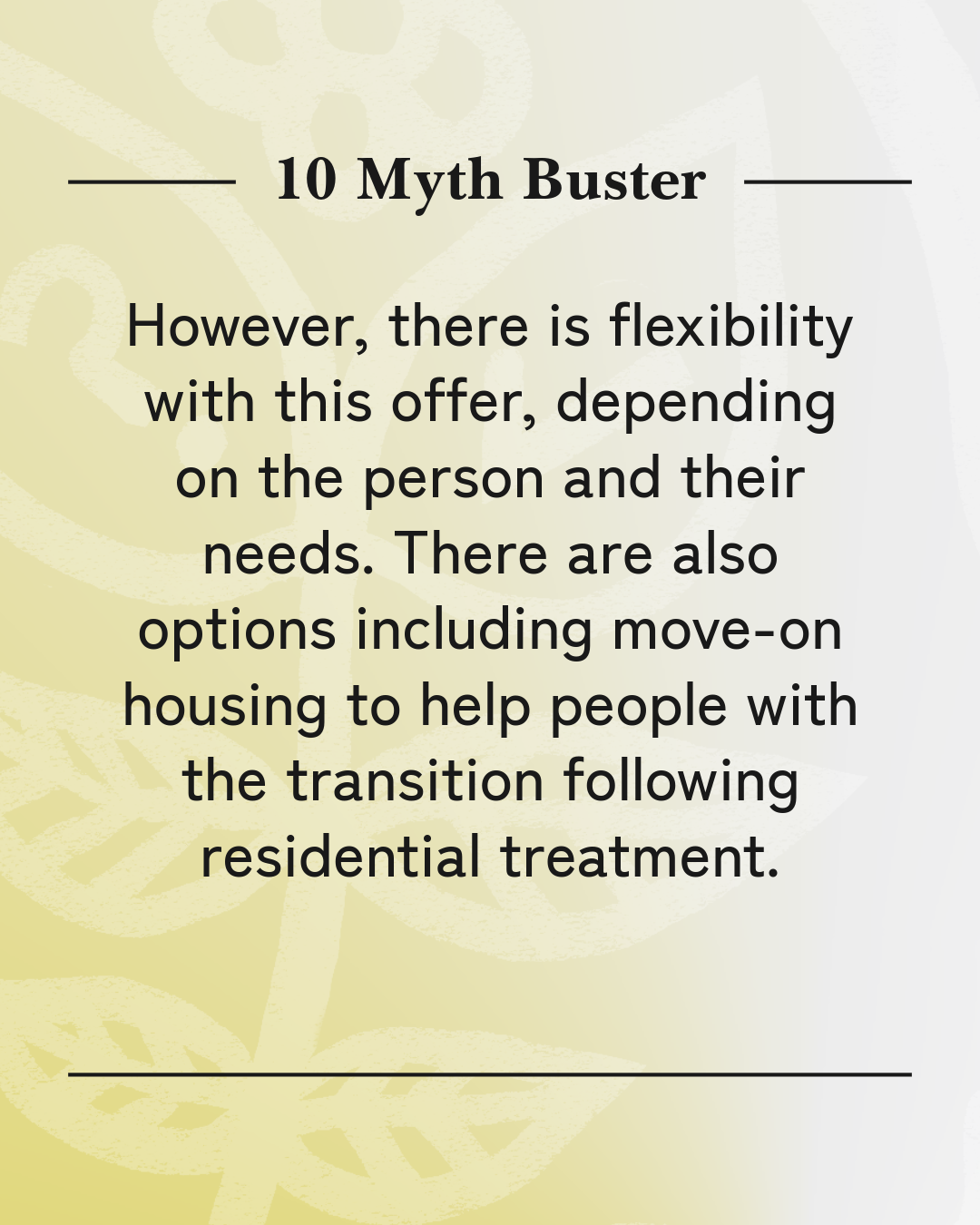
We have identified what we think are 10 common misconceptions about residential rehab, and have provided information to help people understand what might really be going on, and how we can best ensure people get the support they need.
The myths are numbered, but they’re not in any kind of priority order – we recommend reading through them all and seeing which might be most relevant for you or other colleagues.
We’ve presented the information in the form of slides on each of 10 ‘myths’, which can be downloaded as image files, PDFs or a complete PowerPoint presentation. We hope the PowerPoint can be slotted into presentations as part of inductions, training and team meetings where helpful.
There is more context about why we have undertaken this work and why are we are making these specific points in the guide we have written for commissioners and community providers. You can download the guide here.
Our Chief Executive, Will Haydock, has also written a blog explaining why we’ve been doing this work, what we’re hoping to achieve, and what we think might be helpful next steps to make a real positive difference to people’s lives.
Please let us know by getting in touch if you have any comments on how we can improve access to these resources, or the impact they might have on practice.
We are planning to host a webinar including a discussion section to consider how, as a whole sector, we can improve access to residential rehab and the effectiveness of this treatment option.
Download the resources below:
PowerPoint of all myths, with a slide each
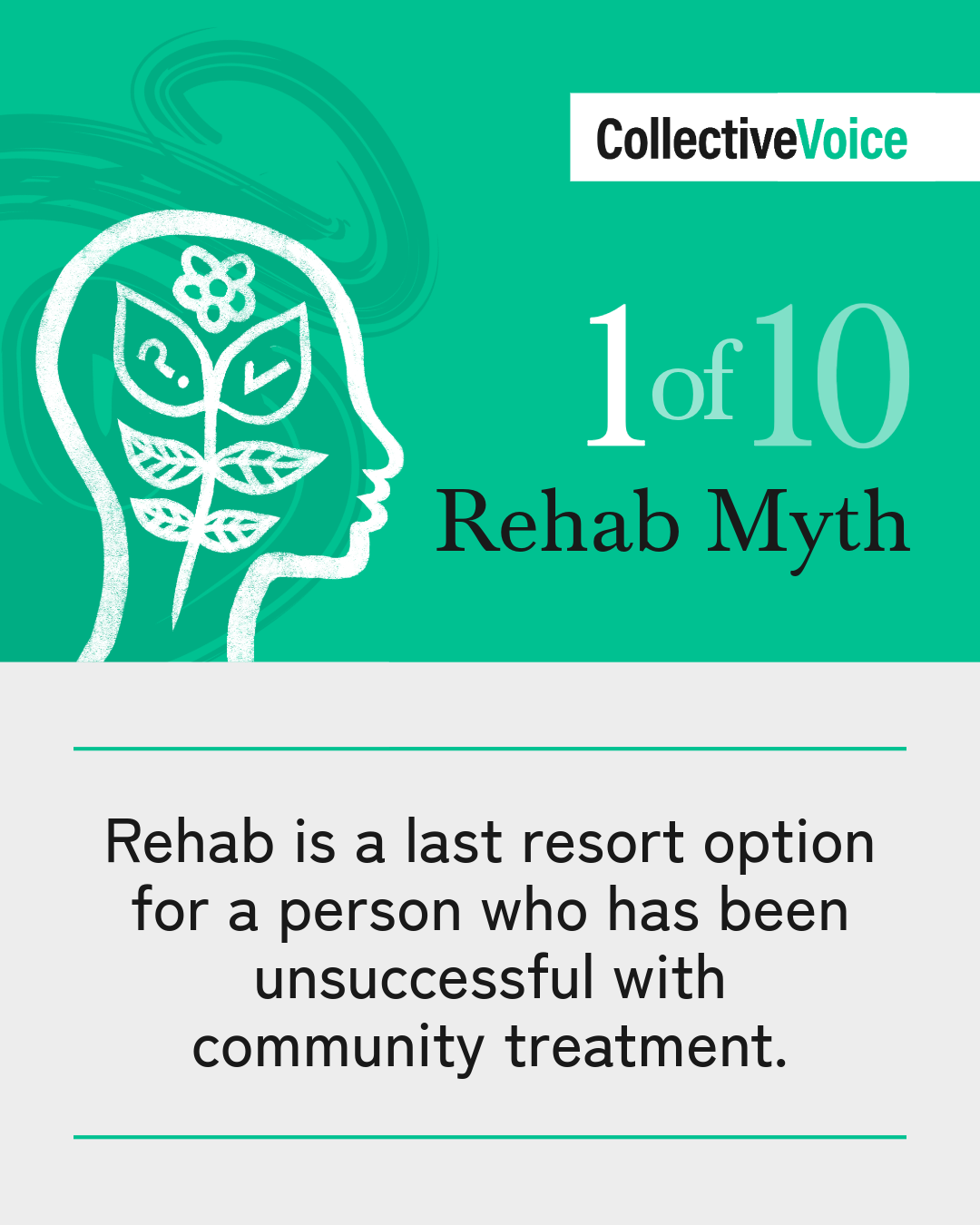
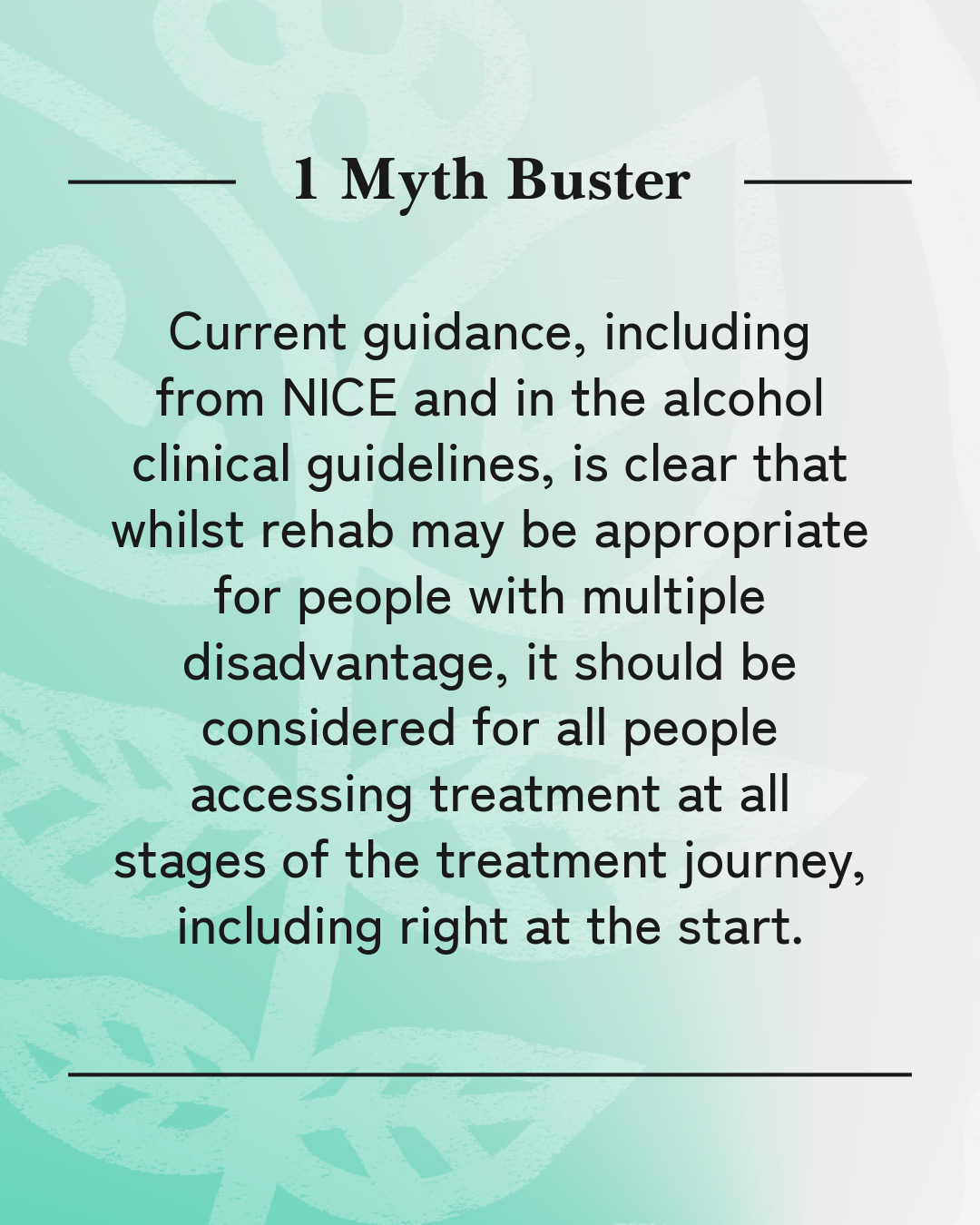
Myth 1: Rehab is a last resort option for a person who has been unsuccessful with community treatment
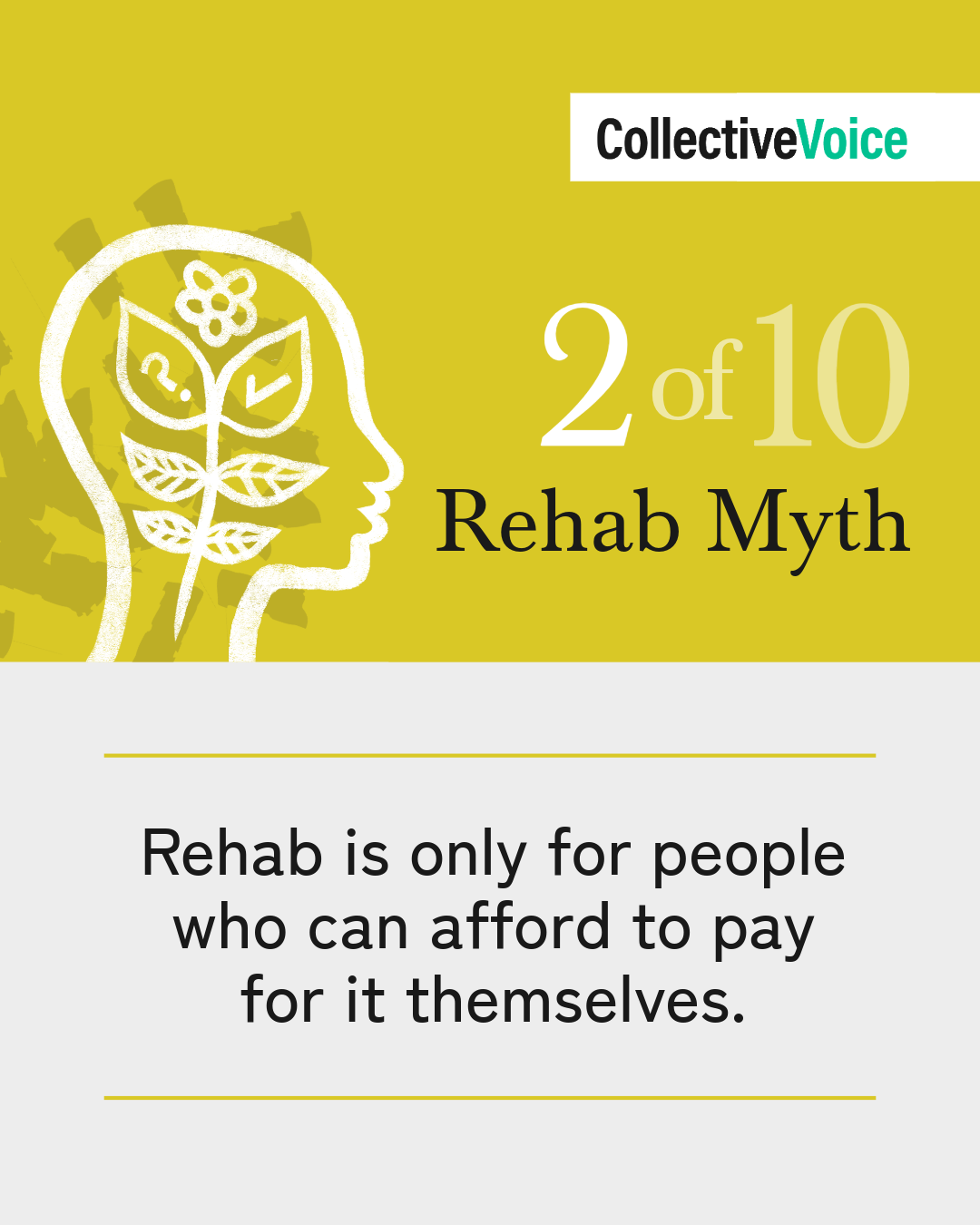
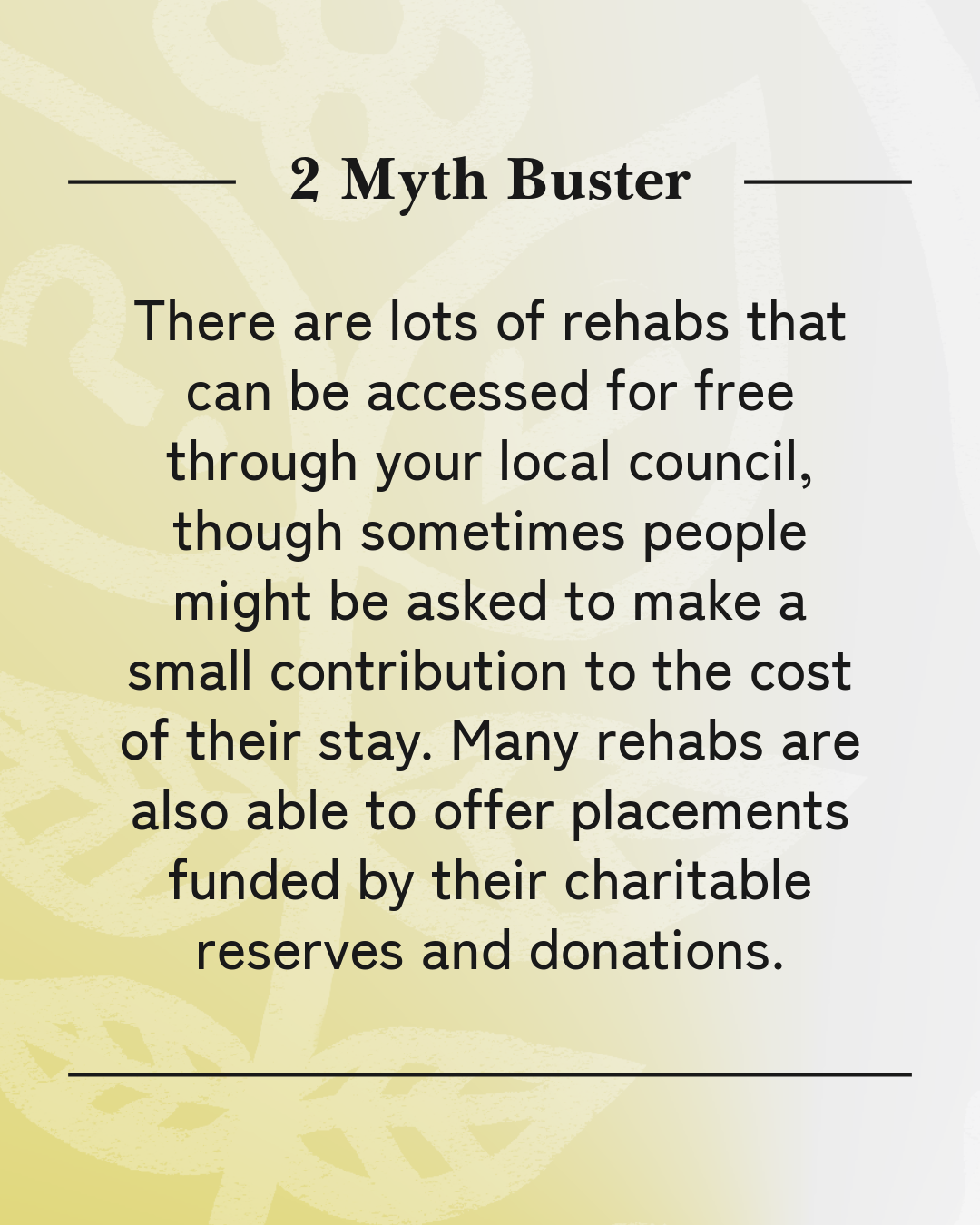
Myth 2: Rehab is only for people who can pay for it themselves
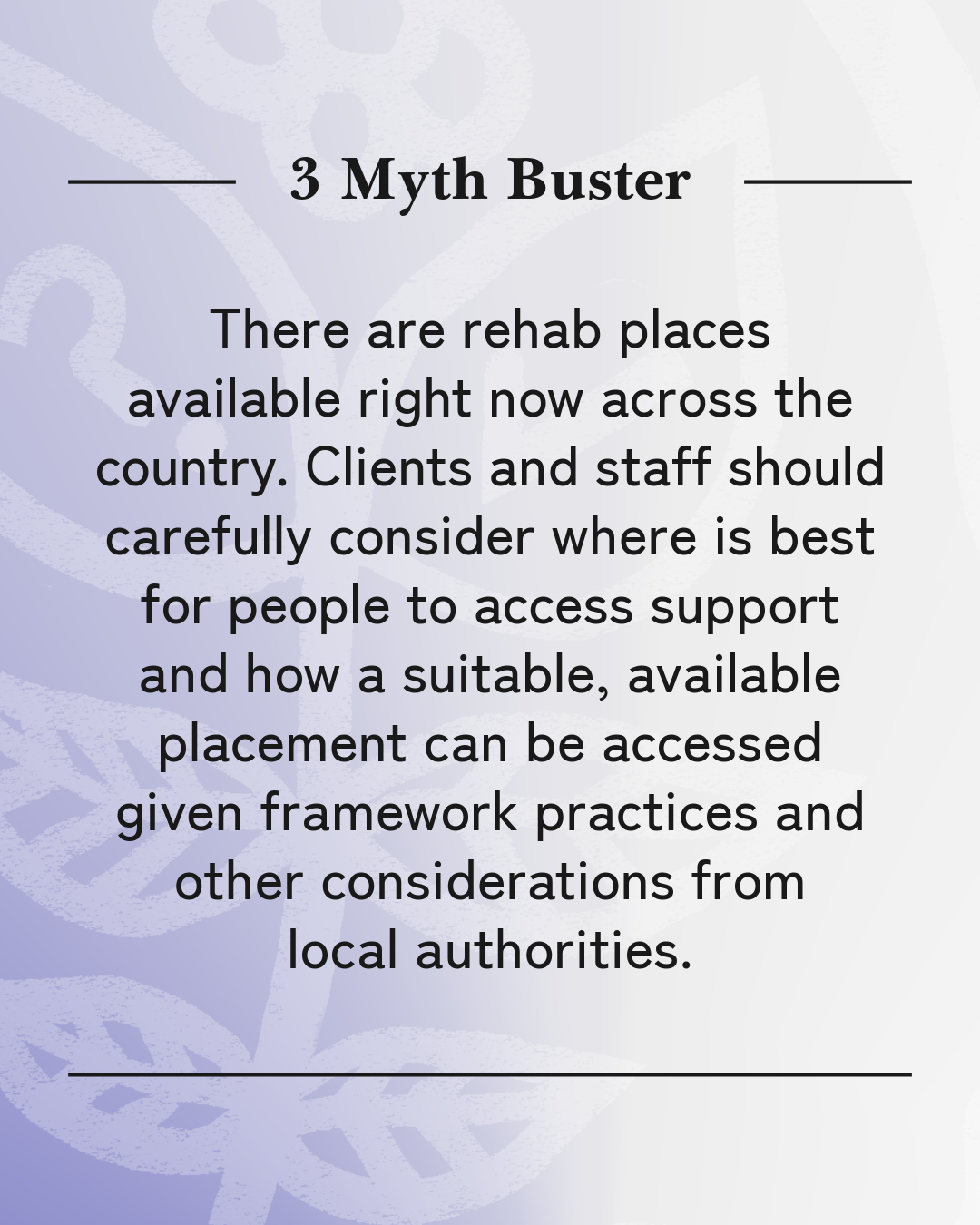
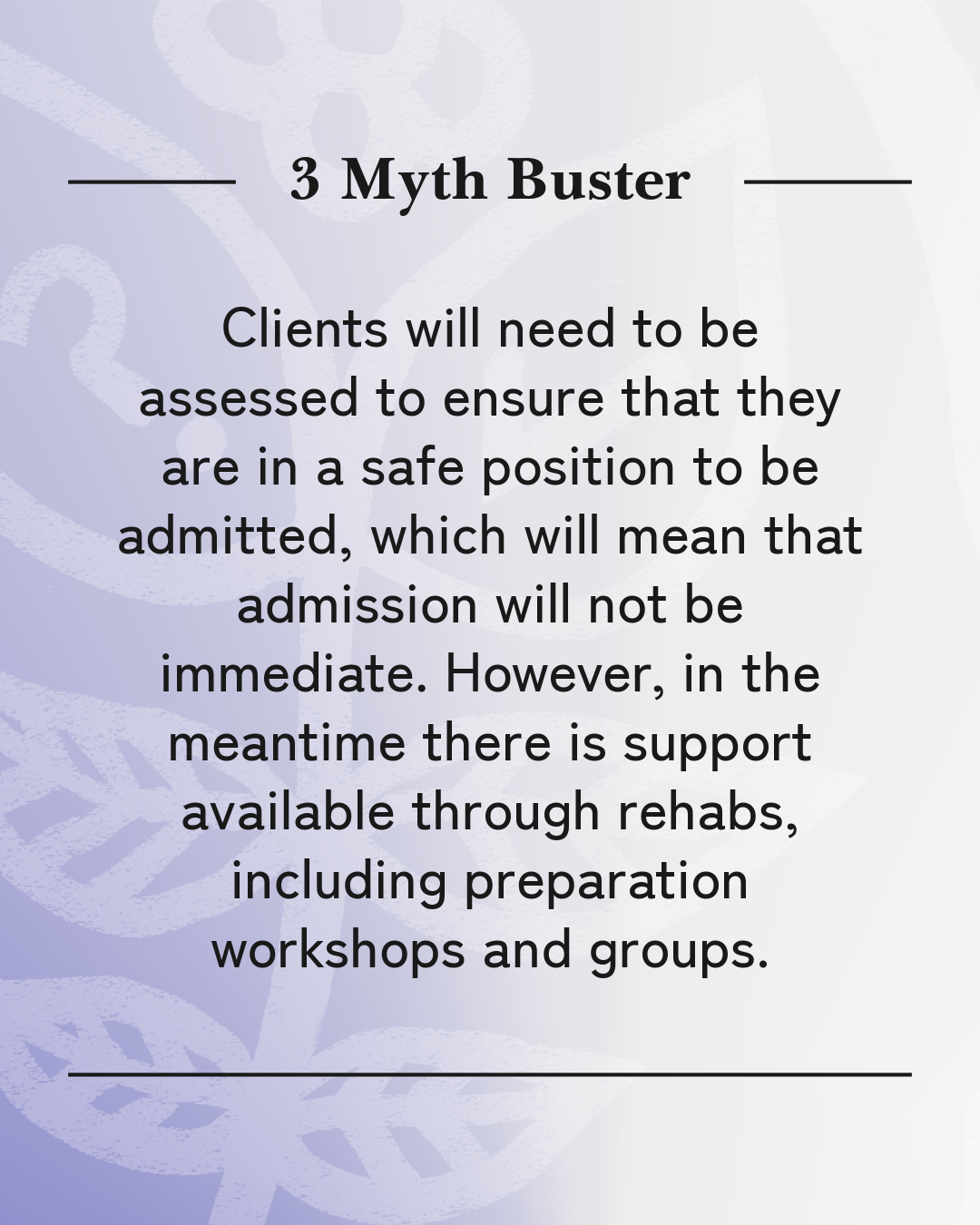
Myth 3: Waiting times are too long for people to be able to access rehab
Myth 4: All rehabs use the same model for treatment
Myth 5: Individuals have to go through motivation test processes to access rehab
Myth 6: People can only go to rehab once
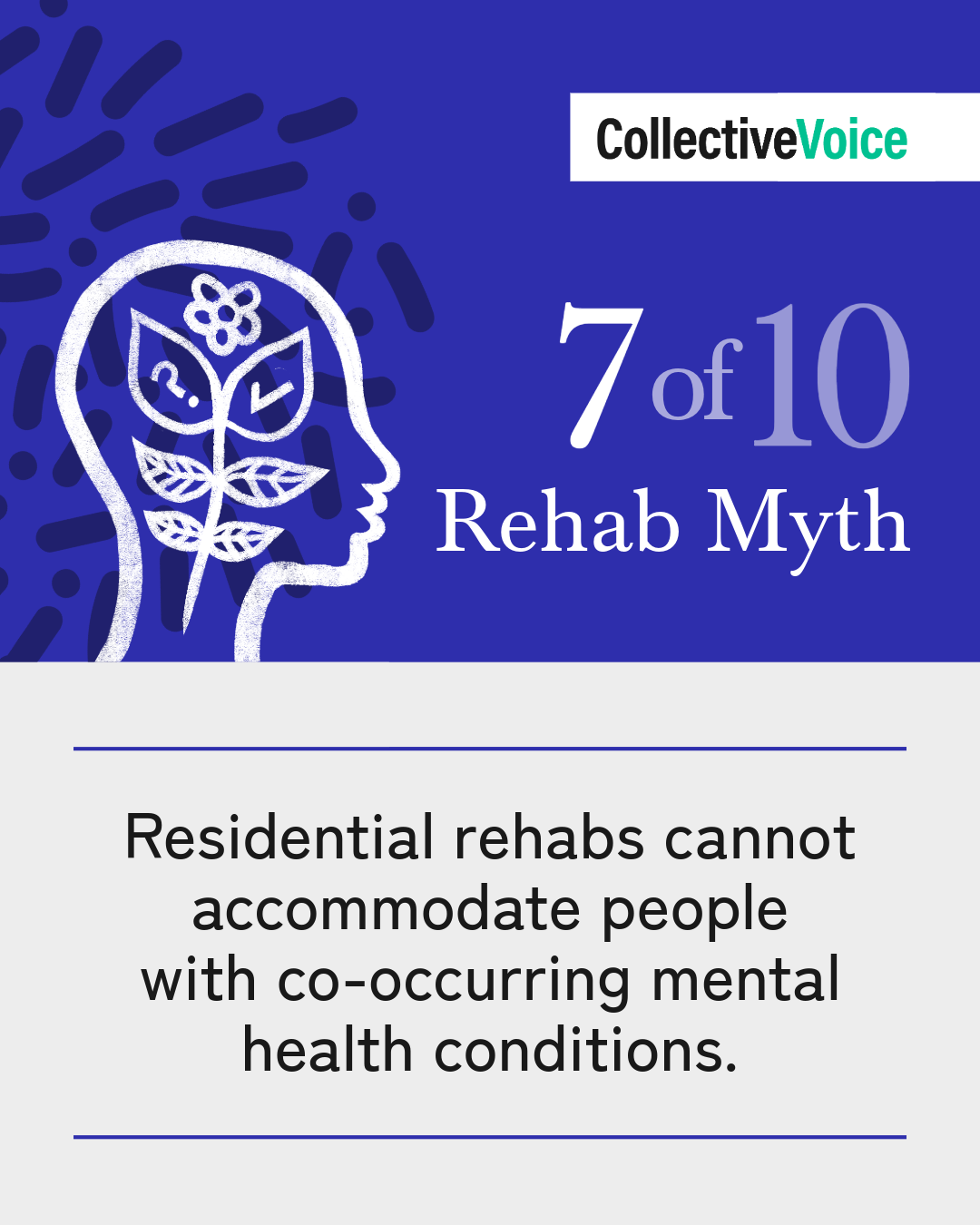
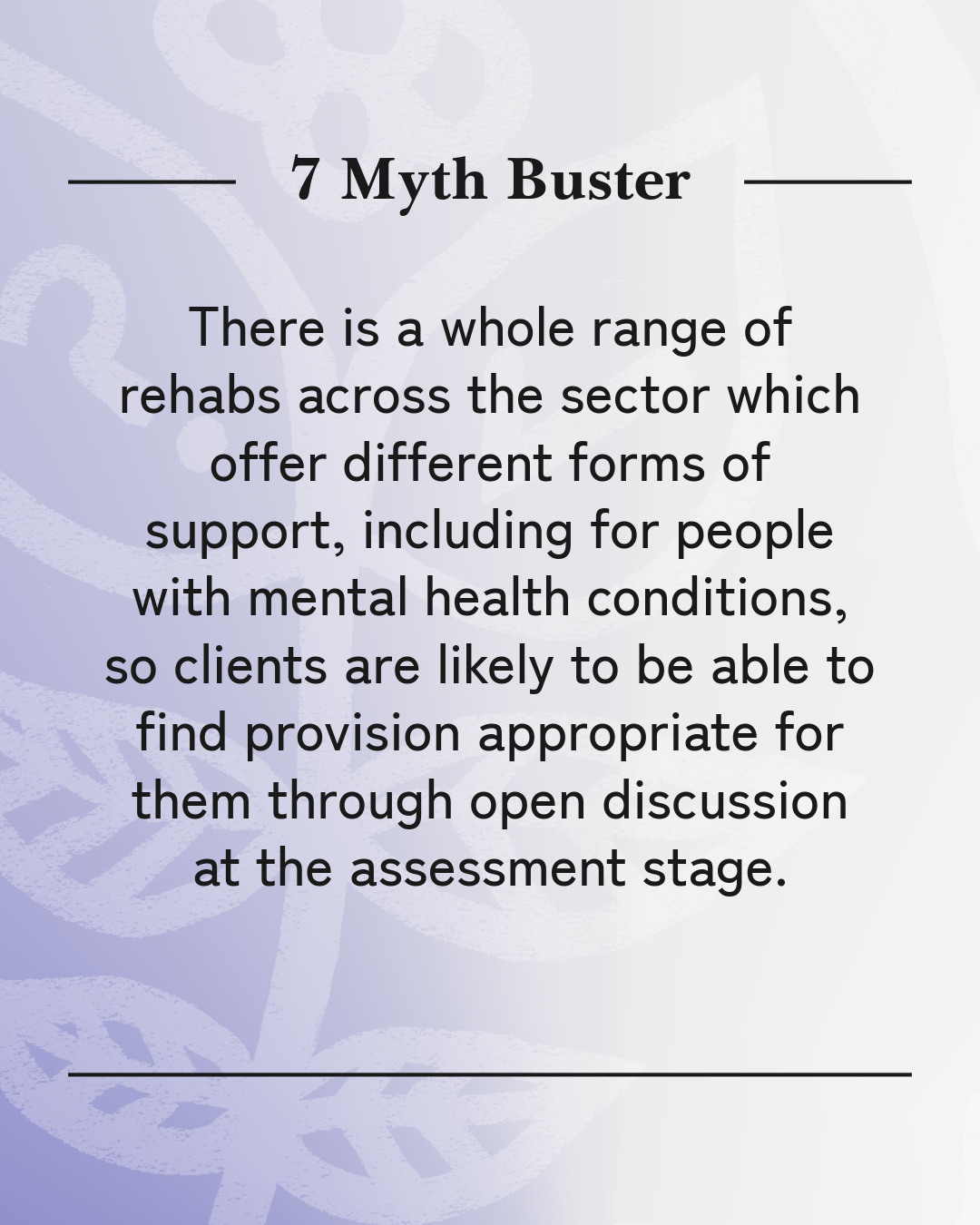
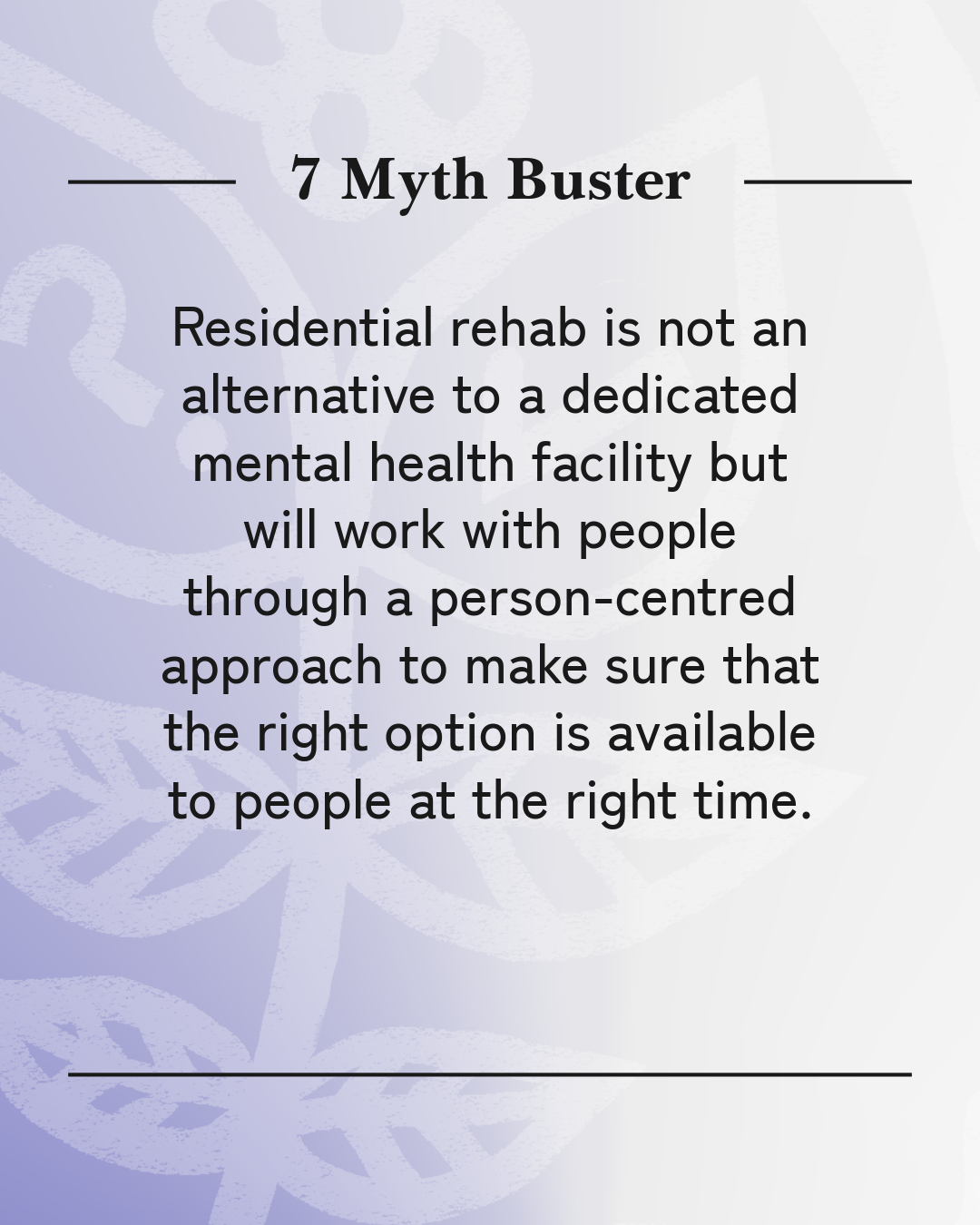
Myth 7: Residential rehabs cannot accommodate people with co-occurring mental health conditions
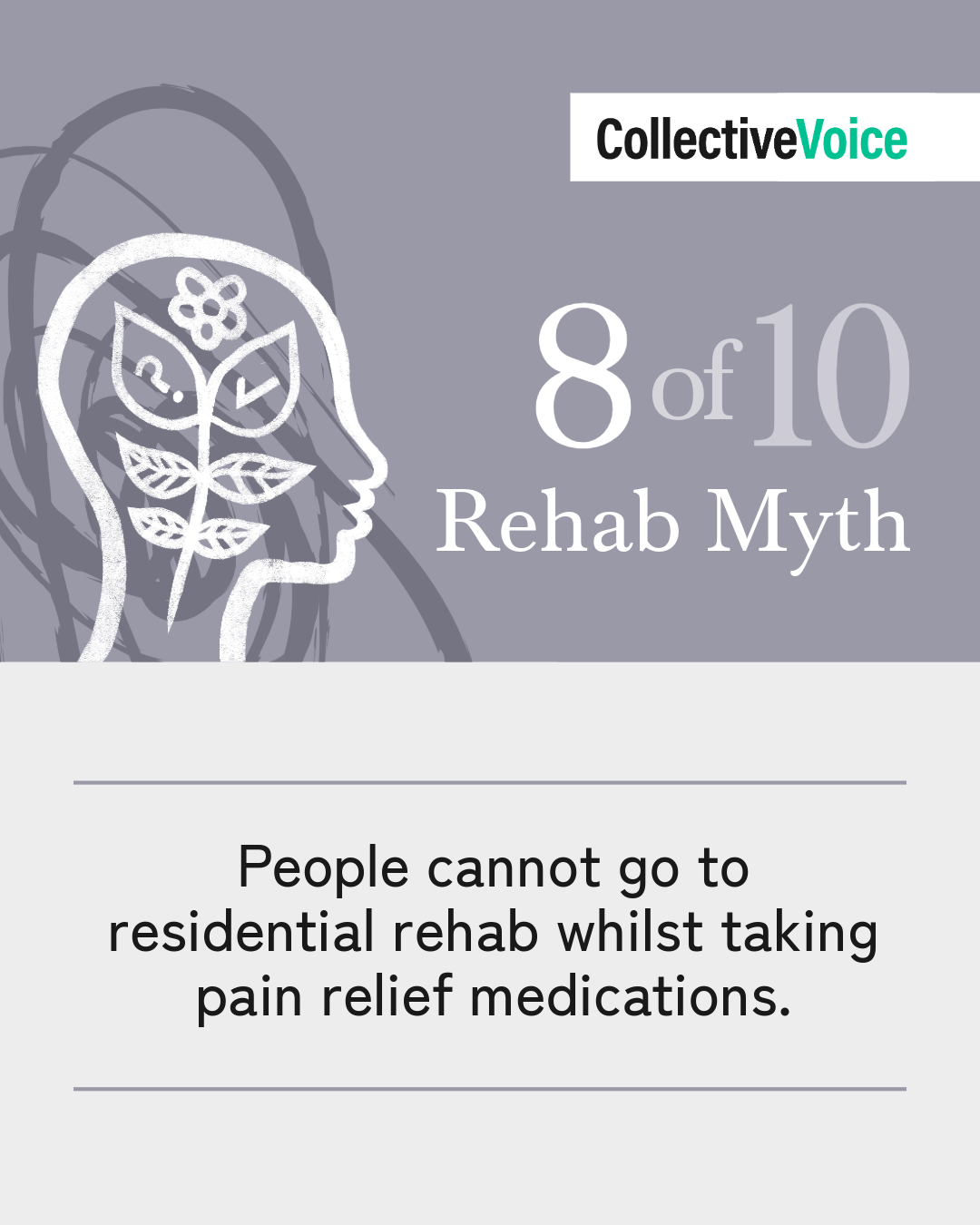
Myth 8: People cannot go to residential rehab whilst taking pain relief medications
Myth 9: Residential rehab is a luxury
Myth 10: Everyone needs to stay in rehab for years for their treatment to be effective
Related Content
Surviving the intersections between music and drug use
“If recovery is the mountain, music is the view from it, and the rhythm of your steps” Watch the trailer for Surviving Earth Sophie Wilsdon,
Collective Voice publishes new resources to improve access and outcomes in residential treatment
If we could sum up the recommendations of this paper in one phrase, it would be to ensure that residential provision is an accessible option
From Hope to Delivery: Five essential next steps for Government action on alcohol and other drugs
We need Government to outline clear aims and priorities for our field, and offer political leadership to achieve these, ensuring relevant professionals and organisations focus