If we could sum up the recommendations of this paper in one phrase, it would be to ensure that residential provision is an accessible option at the heart of local treatment systems.
Our Chief Executive, Will Haydock, introduces the latest Collective Voice publications on residential treatment.
An essential, evidence-based treatment option
Residential rehabilitation should be an integral – and accessible – part of the menu of options available to people seeking treatment for their substance use. It is evidence-based and cost-effective, and treatment providers have shown themselves to be flexible and innovative in responding to emerging challenges such as an increasing proportion of people presenting with co-occurring conditions, and the physical health harm of chronic ketamine use.
In Dame Carol Black’s independent review of drugs, published in 2021, she concluded that changes were required to ensure the accessibility and sustainability of residential treatment, asking the Department of Health and Social Care (DHSC) to conduct a review of the approach to this specific treatment option.
At the time of writing, the situation remains critical. Too few people are currently able to access residential treatment, and the present approach to funding, commissioning and referring people to residential rehab has put the long-term sustainability of treatment centres at risk.
However, we remain optimistic that we can work with Government and the full range of delivery partners to develop a more sustainable approach and ensure that people can continue to benefit from residential treatment.
This doesn’t just mean asking for system or policy change; we can and must do better within the current system. Many of the barriers and issues with access to residential treatment originate in the systems that we have created or maintained as a field – meaning they are within our collective power to change.
The Collective Voice Tier 4 Forum has therefore sought feedback and information from across a range of providers to pull together a couple of publications designed to offer clear, realistic and practical support to commissioners, team leaders and all those involved in designing and delivering treatment and recovery services.
Myth busting – a resource for practitioners
The first is a set of resources to do some ‘myth busting’. We outline what we think are a few common misconceptions about rehab that could affect practice in terms of making referrals to this valuable treatment option. For example, we challenge the idea that there are long waits for rehab, or that all rehabs have the same philosophy and approach.
The primary purpose of these resources is to inform staff who may be less familiar with rehab. The self-assessment toolkit provided by the Department of Health and Social Care (DHSC) specifically asks areas to ensure that “community treatment staff receive training as part of their induction to help them understand residential treatment and pathways, as well as regular training and updates on options for residential treatment.”
These ‘myth busting’ resources are designed to help with that training and induction, and are available in a range of formats that mean they can be easily slotted into presentations for team meetings, for example.
You can read the myths in full and download the resources here.
Suggestions to support community service providers and commissioners
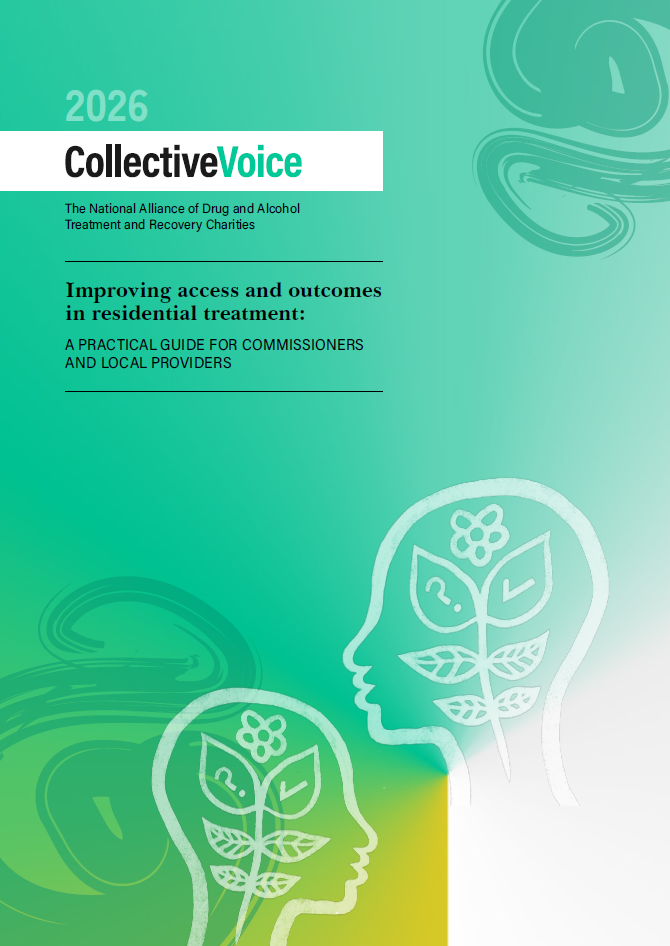
The second product is a practical guide for commissioners and local providers that identifies key steps that can be taken to improve the accessibility and outcomes of residential treatment in a local area at a system level.
In brief, our observations and suggestions for providers and commissioners are as follows:
- Aim to fund rehab places without asking for client contributions
- Avoid panel processes that create barriers or delays
- Referral and preparation processes for rehab should not require clients to prove motivation
- Ensure people are able to access rehab multiple times if required
- Ensure clients and staff are aware of rehab as a genuine option throughout a treatment journey and staff are able to respond in a timely way
- Ensure communication and payment around cancellations reflects the time and cost this poses to the residential provider
- Ensure there are clear, accessible pathways into detox and from detox to rehab
- Ensure length of stay is in line with evidence and good practice guidance
- Involve residential providers in local systems, including workforce development initiatives
- Ensure there are specific pathways tailored to key referral routes, including people leaving prison, those who are rough sleeping or homeless, and people in hospital
Our recommendations are designed to be complementary to the self-assessment and guidance provided by DHSC. For example, that guide includes statements such as “Community treatment staff [should] discuss the option of residential treatment with people entering treatment and also regularly discuss it throughout a person’s treatment journey,” which echoes one of our recommendations here. However, we perhaps go into more detail on how exactly funders and providers should approach key issues such as referrals, length of stay and client contributions.
This is a contribution to an ongoing conversation and project
We hope you find these suggestions – and indeed the whole paper – helpful, but we appreciate that it is not in itself a universal plan for how to commission residential services or design effective and accessible pathways. Just as every person accessing support should be treated as an individual, so each local area will need to implement solutions that work best for its unique needs and circumstances.
We are publishing this guide now, partly to help shape local planning discussions for 2026-27, but it is by no means set in stone or designed to be the last word on the subject. We are always keen to discuss challenges and opportunities across the field – and beyond – to better understand how we can improve support for people facing issues around alcohol or other drugs. We welcome feedback and would be happy to hear your thoughts both on this publication and on other ways we might work to improve treatment in the future.
As part of this commitment, we are in the process of organising a webinar to bring together both residential and community providers along with commissioners to discuss how we can improve pathways to rehab to make them more accessible and effective.
We will be releasing details about the webinar in the next few weeks – so please read the paper and come to the session with comments, questions and ideas on how we can keep improving the support available to people struggling with substance use.
And please involve residential providers in your local planning and service design discussions, both in the short term as you finalise plans for 2026-27, and thinking longer term. If you have a local rehab they can be a great resource, but networks including Collective Voice and Choices would welcome the chance to facilitate conversations with a wide range of rehab providers across the country.
Working to put residential treatment at the heart of local and national systems
Finally, we will continue to work for wider policy and system change to ensure that commissioners and providers are able to operate in a more sustainable, cohesive way, and we look forward to dialogue with Government on how we might improve access to residential treatment specifically. Where we face system-wide issues, we must work together across organisational and professional boundaries to ensure people are able to access the support they need.
If we could sum up the recommendations of this paper in one phrase, it would be to ensure that residential provision is an accessible option at the heart of local treatment systems. Systems should understand and appreciate local rehabs as assets. In practice this means, for example, that staff in commissioning teams and community providers should visit residential services – and vice versa. When we spend time with staff and listen to people who have accessed rehab, not only will challenges become clear, but also the solutions and indeed further opportunities to improve our support offer.
Collectively, we need to view residential rehab less in terms of a negotiated business transaction for a placement, and more as a key treatment option and opportunity within a wider commitment to provide high-quality care and support. This commitment to care is how we will save and improve more lives.
Related Content
Surviving the intersections between music and drug use
“If recovery is the mountain, music is the view from it, and the rhythm of your steps” Watch the trailer for Surviving Earth Sophie Wilsdon,
New Collective Voice resources to help improve access and outcomes in residential treatment
We have provided these resources in a range of formats (image files, PDFs, PowerPoint), to ensure they can be used in a range of settings.
From Hope to Delivery: Five essential next steps for Government action on alcohol and other drugs
We need Government to outline clear aims and priorities for our field, and offer political leadership to achieve these, ensuring relevant professionals and organisations focus