

“If recovery is the mountain, music is the view from it, and the rhythm of your steps”
Sophie Wilsdon, Creative Communities Team Leader at Bristol Drugs Project (BDP), writes about a new film with links to music and recovery – and BDP.
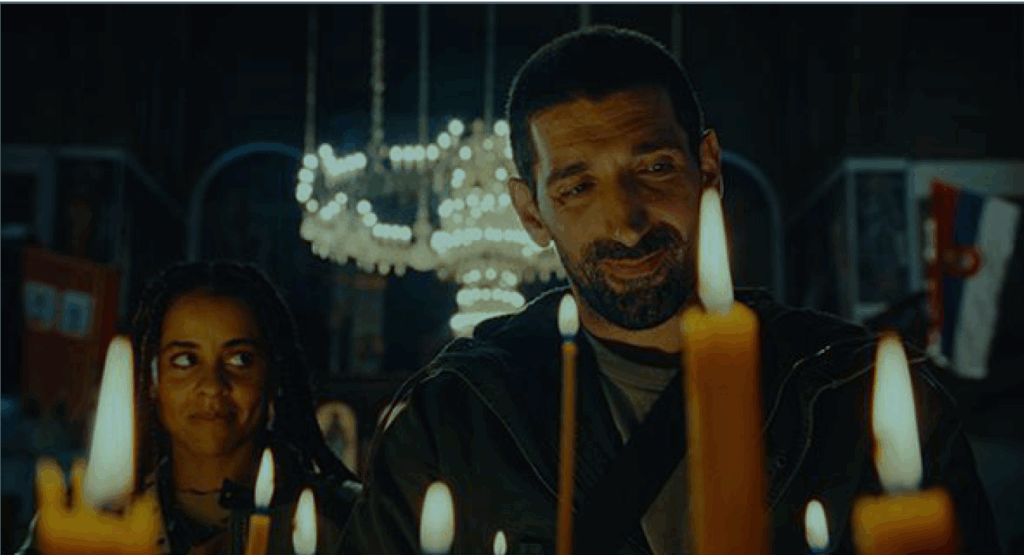
BDP Creative Communities and its beginnings portrayed in new film, Surviving Earth
A very special and unique film is coming to cinemas on April 24th this year – one that attempts to explain, or at least to bear witness to, the complicated intersections between music, addiction and relationships. It has a particular resonance to Bristol Drugs Project in that its lead character was a drugs worker here for many years and was part of the music sessions that marked the beginnings of Creative Communities.
Surviving Earth is based on the true story of Vladimir Gajić, and centres on his life after arriving in the UK in the 1990s, having fled the conflict in the former Yugoslavia. It’s brilliantly written and directed by his daughter, Thea Gajić, and the films marks her feature debut. Vlad was a talented harmonica player who had always had a dream of bringing music from his homeland to Bristol, so after meeting friends and musicians at BDP, he formed the Balkan bands Fuzia and Troyka, with BDP colleagues and friends. Surviving Earth offers a beautiful and tender portrayal of the impact of trauma and drug use on relationships, exploring the complexities of family, resilience and survival through music.
Bristol Drugs Project is a harm reduction drugs charity that’s celebrating its 40th birthday this year. Although Vlad had left BDP by the time Rising Voices Choir and Creative Communities were established in 2014, the afternoon group work jamming sessions he was part of helped create the idea of a weekly, regular, ongoing music group as a complement to our Structured Day Programme.
“If recovery is the mountain, music is the view from it, and the rhythm of your steps” Creative Communities member
Drugs work seems to attract creative people, some with lived experience, some without, and as a team, we were full of musicians, artists and creatives. We enjoyed finding new and creative ways to support people to process what had happened to them, but we also enjoyed facilitating spaces where people could have fun, be creative, learn new skills and build new and safe relationships with people.
We also recognised that words weren’t always enough, and that often coming back into treatment groups, on the same chairs in the same rooms with the same group workers… could feel like an exercise in repetition rather than in facilitating change.
What began as a trial singing session has grown, 11 years later, into a robust arts programme. We now host eight weekly groups alongside major partners like the Bournemouth Symphony Orchestra, Bristol Old Vic and Trinity Arts. From our new DJ course at the sober bar Arc to the Bristol Sober Spaces club nights, we are constantly finding new ways to make recovery loud, proud, and creative.
The arts aren’t just a way to unlock creativity, they offer a unique opportunity for people who’ve experienced trauma to process feelings and emotions without needing to find the right words. It helps develop a sense of connection and belonging—both of which are crucial in overcoming isolation and self-esteem when addressing drug and alcohol use.
“The recovery journey can take one down dark roads at times. Music on that journey brings light”
The project most linked to Vlad’s story, and the one I know he’d have loved to have been part of, is Bristol Recovery Orchestra. It’s made up of people who have a history playing in bands and are looking for a safe way to play again, bedroom guitarists who’ve never played in a group before, and people picking up music for the first time in recovery. By complete coincidence, this term we are playing two songs that Vlad brought to our band, Miserlou (think Pulp Fiction) and Libertango.
The highs and lows of performance are a key part of our programme – the experience of which impacts any musician, but can be triggering and red flag moments for musicians with lived experience of drug use. The night time and music economy are peculiarly unique industries in which musicians are often paid in alcohol, substance use is accepted and dependence on drugs and alcohol common. Our groups offer people a safe and well held space to play music in a room where their lived experience is acknowledged, but their primary identity in the room is as a musician.
“I come from a background of playing in bands all over the UK as part of a drug fuelled festival scene for many years, which comes with various ups and downs, and can offer you unpredictability in performances and relationships. Playing with Bristol Recovery Orchestra gives you a stable, consistent and harmonious environment to work on music that offers different challenges but also offers different opportunities to shine as a musician in a non-judgement caring and safe space.” Alex
The intersections between music and drug use are real and complicated, but can also lead to connection, community and healing – where music and performance doesn’t have to be a risk to recovery, but can be a healing part of each person’s complex and unique recovery journey.
Go and see Surviving Earth this Spring. And if you or someone you know is looking for a way back into music or community, seek out a project like ours or set one up in your own recovery community.
Watch the trailer for Surviving Earth here.
There are pre-screenings with Q&A’s with Thea across the country in March and April:
- 23 March: Manchester Film Festival
- 24 March: Liverpool Plaza
- 9 April: Bristol Watershed – Lewes Depot
- 17 April: BFI Southbank
- 30 April: Birmingham Mockingbird.
The BFI is showing the film from 24th to 28th April and Bristol Watershed from 24th 30th. Buy tickets here for the BFI and here for Watershed.
Related Content
Collective Voice responds to the Government’s consultation on the 2026 Autumn Budget
Specialist substance use treatment is a cost-effective intervention to address key challenges facing the Government, but to maintain and increase impact we need a new
Rehab places are available right now – reflections from the Collective Voice Tier 4 forum
Apparently there’s a perception that rehabs across England are full – but we estimate there are approximately 200 rehab beds free and available across England on
Collective Voice looks forward to supporting the Prime Minister’s ambition on ending rough sleeping
We look forward to working with Government to make sure this bold vision becomes reality. Find out more about the Rough Sleeping Programme on gov.uk